
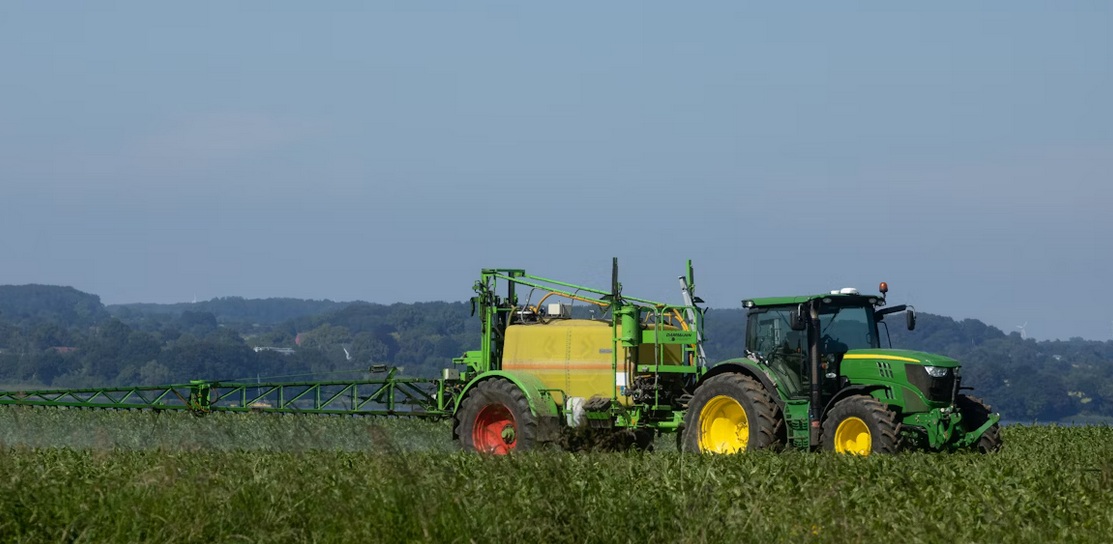
Improving EPA’s Understanding of Forestry Pesticide Use
By Cultivate NW,
One area that Cultivate Northwest has focused on recently has been ensuring that federal regulators have accurate, practical information about how pesticides and other crop production tools are used in Pacific Northwest production systems. As EPA continues to work on Endangered Species Act (ESA) mitigation approaches for pesticides, they are now evaluating pesticide use in non-agricultural settings, including commercial forestry.
Accurate information is critical to developing realistic risk assessments. When EPA relies on incomplete or inaccurate assumptions about how pesticides are used, it can lead to mitigation measures that are difficult to implement and/or provide little additional conservation benefit. Many of EPA’s current risk assessments rely on limited national data that do not accurately reflect forestry practices in Oregon and Washington.
To help address this gap, Cultivate Northwest convened a forestry workgroup on June 5 in Vancouver, Washington. Participants included forestry professionals, representatives from the Oregon and Washington Departments of Agriculture, the Oregon Department of Forestry, the Washington Department of Natural Resources, Oregon State University, and other technical experts.
The group discussed pesticide use patterns in commercial forestry, including application frequency, vegetation management practices, and existing environmental protections such as streamside buffers, forest road management, and other practices that reduce movement of soil and pesticides into waterways.
The information gathered from workshop participants has been shared with EPA, as well as USDA’s Office of Pest Management Policy, which supports EPA’s ESA implementation efforts, the U.S. Forest Service, and the National Marine Fisheries Service (NMFS). By providing regionally relevant information early in the consultation process, Cultivate Northwest is helping ensure that future ESA risk assessments and mitigation measures are informed by realistic, on-the-ground forestry practices, leading to more feasible and practical requirements for applicators.

Disclaimer: Articles featured on Oregon Report are the creation, responsibility and opinion of the authoring individual or organization which is featured at the top of every article.